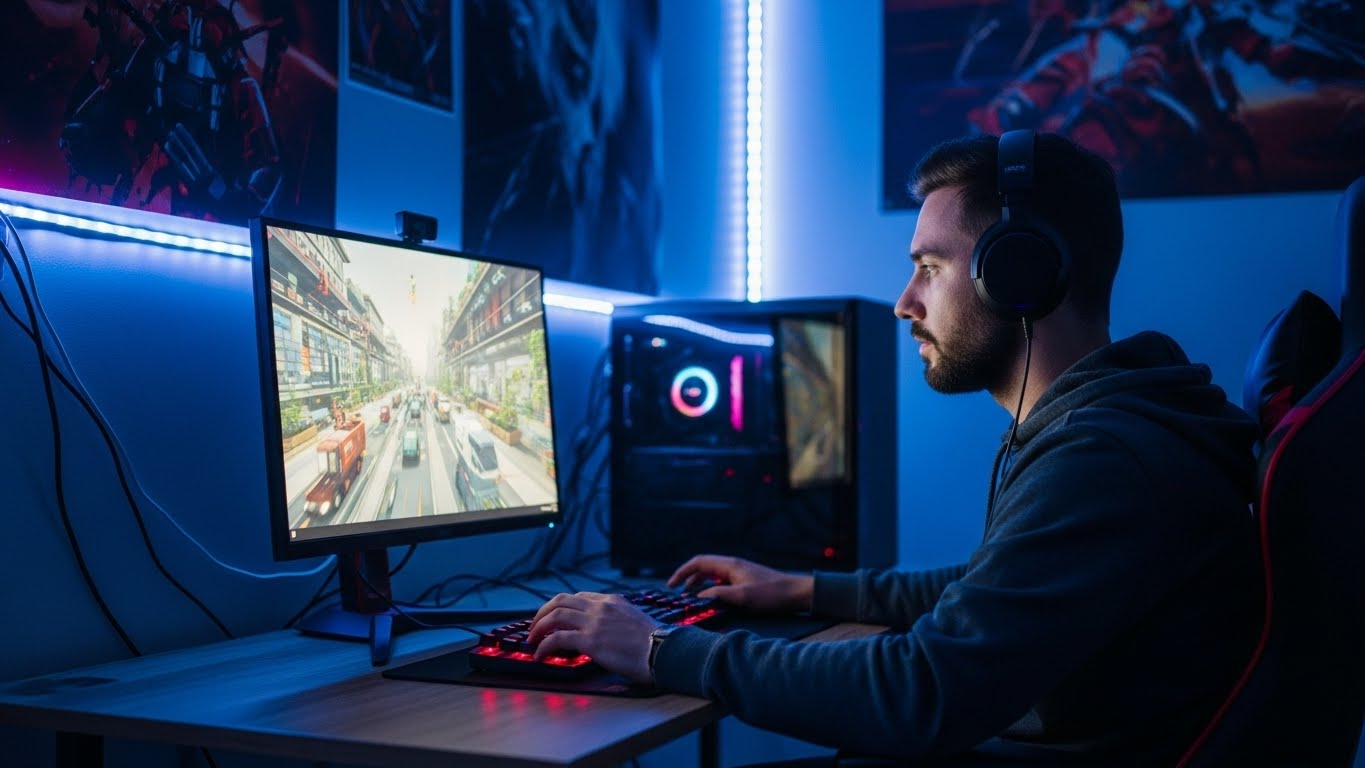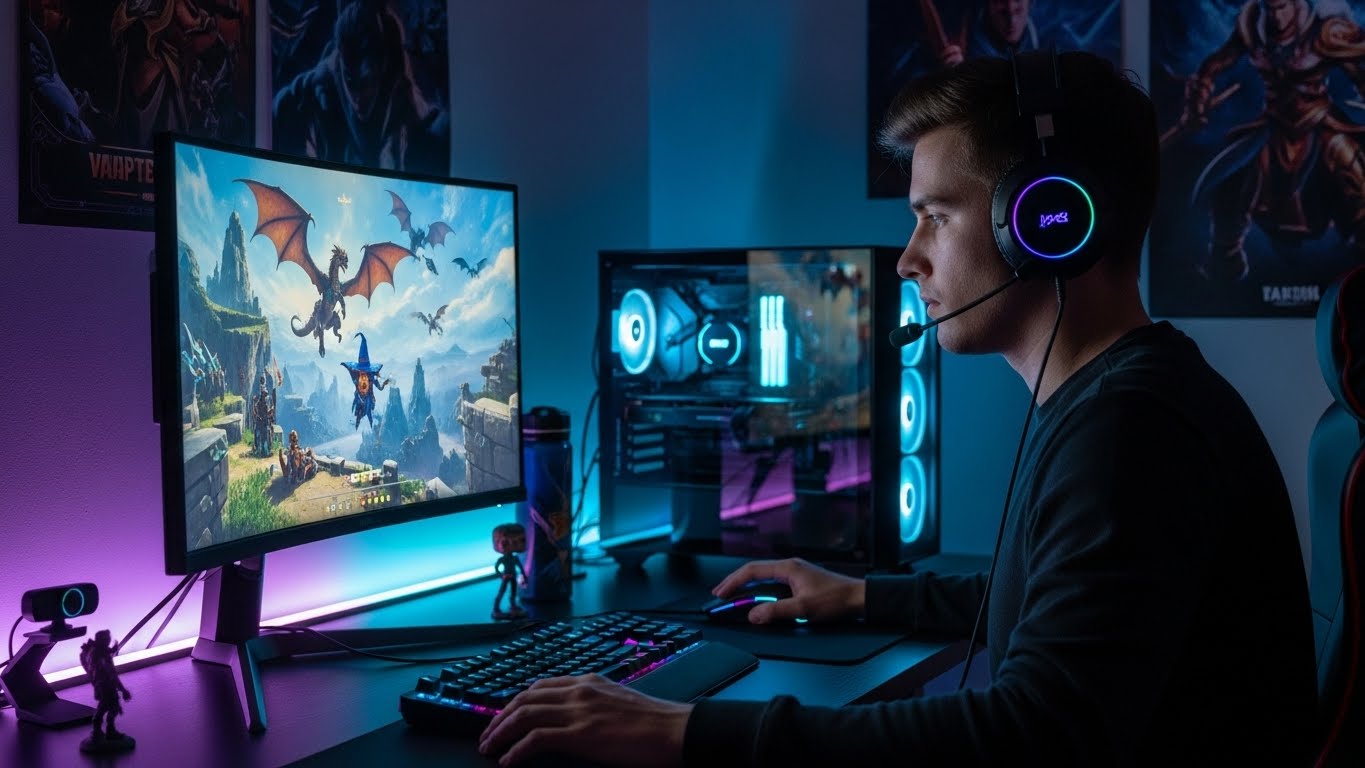
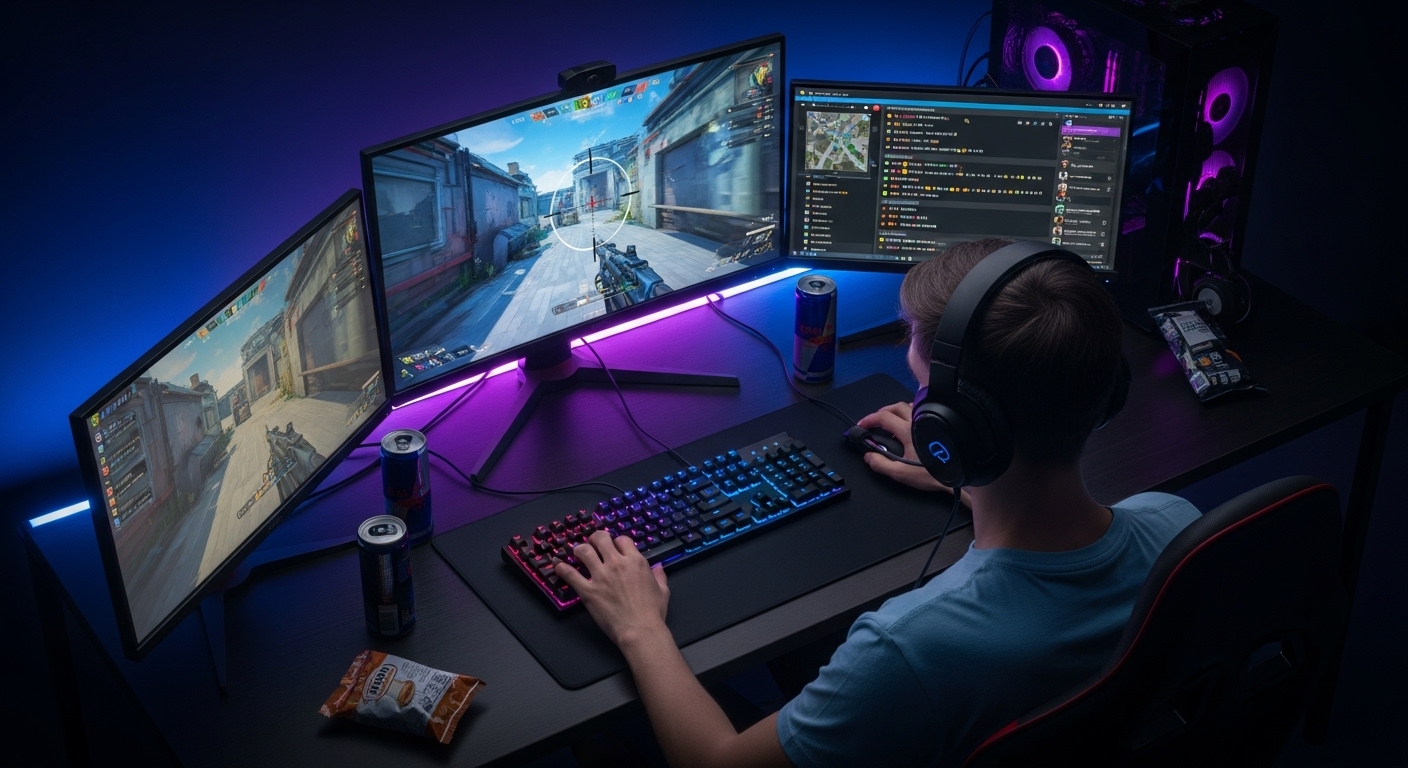
In today’s digital age, gaming has become more than just a way to pass the time—it’s a cultural phenomenon that has transformed how we entertain ourselves, socialize, and experience stories. From immersive open worlds to competitive multiplayer matches, gaming offers an array of experiences that cater to every type of player. Whether you’re someone who seeks adventure, competition, or relaxation, the world of gaming has something for everyone.
The Expanding World of Gaming
Gaming has come a long way since its inception. What started as simple arcade games like Pong and Space Invaders has now evolved into a vast industry with millions of titles spanning various genres. The advancements in technology have opened up new possibilities, allowing developers to create rich, detailed worlds with lifelike graphics, intricate storylines, and complex gameplay mechanics. Today’s games offer experiences that were once only dreamed of, thanks to innovations in artificial intelligence, graphics, and online connectivity.
With the rise of open-world games like The Legend of Zelda: Breath of the Wild and Grand Theft Auto V, players can now explore sprawling environments, interact with dynamic characters, and influence the narrative in ways that were previously unthinkable. These games provide not just entertainment, but a sense of freedom that players never experienced before. Whether you’re sailing across oceans, engaging in epic battles, or simply taking a stroll through a beautifully designed city, modern games transport you to entirely new worlds.
The Social Side of Gaming
Gone are the days when gaming was a solitary activity enjoyed only in the privacy of one’s home. The advent of online multiplayer games has completely transformed the gaming landscape. Titles like Fortnite, Call of Duty, and World of Warcraft have created massive online communities where millions of players across the globe can team up, compete, and connect.
Through platforms like Twitch and YouTube, gamers can broadcast their gameplay to a worldwide audience, turning gaming into a social experience. Streaming has become a multi-million-dollar industry, with popular streamers amassing huge followings and building careers based on their love of gaming. For many, these platforms serve as a way to stay connected with friends, discover new games, and engage with a global community of like-minded individuals.
Multiplayer gaming also fosters collaboration and competition in equal measure. From cooperative games that require teamwork to fast-paced competitive games that test reflexes and strategy, there’s something for everyone. These experiences offer players the chance to build friendships, forge rivalries, and find a sense of belonging in a world that often feels more disconnected than ever.
Storytelling in Gaming: A New Era
What sets video games apart from other forms of entertainment is their ability to immerse players in dynamic, interactive stories. Unlike movies or books, where the narrative is predetermined, video games allow players to shape the outcome of the story based on their choices and actions.
Games like The Witcher 3: Wild Hunt, Red Dead Redemption 2, and The Last of Us have proven that video games can deliver deep, emotional narratives that rival the best in cinema and literature. These games explore complex themes such as loss, redemption, and moral ambiguity, with characters who evolve based on the player’s decisions. The player’s involvement in the story creates a unique emotional connection, making every playthrough a deeply personal experience.
The depth of storytelling in modern games is complemented by stunning visuals and meticulously crafted worlds. The ability to explore vast environments, uncover hidden stories, and interact with dynamic characters makes gaming an experience that goes far beyond traditional storytelling. It’s a medium where the player becomes an active participant in the narrative, influencing the world and the characters within it.
The Competitive Thrill of Esports
For many, gaming isn’t just about casual play—it’s about competition. Esports, the competitive side of gaming, has exploded in popularity over the last decade, turning what was once a niche hobby into a global phenomenon. Games like League of Legends, Dota 2, Counter-Strike: Global Offensive, and Overwatch have become professional sports, with players, teams, and tournaments drawing huge audiences both online and in person.
Esports has created a new generation of celebrities, with professional gamers earning sponsorships, appearing on live broadcasts, and competing for multi-million-dollar prize pools. Esports tournaments fill arenas, and millions of viewers tune in to watch the world’s best players face off in high-stakes matches. These events have even been broadcast on mainstream TV channels, further cementing gaming as a legitimate sport in the eyes of the general public.
Beyond the glitz and glamour of professional gaming, esports has fostered a sense of community and camaraderie. Online competitions, local tournaments, and amateur leagues provide opportunities for players of all skill levels to engage in competitive play. For many, esports represents not just a way to compete, but a path to recognition and success.
Gaming and Mental Health: A Double-Edged Sword
While gaming offers a host of benefits, including entertainment, stress relief, and social interaction, it’s important to acknowledge the potential negative effects, particularly in terms of mental health. For some players, excessive gaming can lead to addiction, social isolation, and a detachment from reality.
However, gaming can also have a positive impact on mental health. Many games, particularly those with relaxing or creative elements like Minecraft and Animal Crossing, offer a soothing escape from the pressures of everyday life. These games allow players to express themselves, whether through building virtual worlds, designing characters, or engaging in low-stress activities. For some, gaming provides a way to unwind and relax, offering a healthy coping mechanism for stress and anxiety.
Furthermore, gaming can promote cognitive skills such as problem-solving, strategic thinking, and hand-eye coordination. Puzzle games, role-playing games (RPGs), and simulation games require players to think critically and plan ahead, which can enhance mental agility. Additionally, online games that foster communication and teamwork can improve social skills and encourage cooperation.
The Future of Gaming: What’s Next?
Looking ahead, the future of gaming is incredibly exciting. Emerging technologies such as virtual reality (VR), augmented reality (AR), and artificial intelligence (AI) are set to redefine the gaming experience. VR gaming, in particular, has the potential to fully immerse players in digital worlds, making the experience even more lifelike and engaging.
AI is another area where gaming is set to see significant growth. With smarter NPCs, adaptive storylines, and more realistic environments, games will become increasingly dynamic and responsive to player actions. The integration of AI could make games feel more alive, with characters and worlds that react to the player in real-time.
Cloud gaming is also on the horizon, with services like Google Stadia and Xbox Cloud Gaming offering players the ability to play high-quality games without the need for expensive hardware. This could open up gaming to a much wider audience, allowing people to enjoy cutting-edge titles on lower-end devices.
Conclusion: The Infinite Possibilities of Gaming
Gaming has grown into a diverse and dynamic medium that offers something for everyone. Whether it’s the thrill of competition, the joy of exploration, or the immersion in a compelling story, video games provide an unparalleled form of entertainment. As technology continues to advance, the possibilities for what games can offer will only expand.
As we look to the future, it’s clear that gaming will continue to evolve, shaping not just how we play, but how we interact with each other and experience the world. The digital realms are vast, and with each new game, we are invited to explore even further. So, whether you’re picking up a controller, clicking through a mouse, or stepping into a virtual world, gaming remains a journey of endless discovery.