Introduction to the Evolving World of Gaming
Gaming has transformed from a simple leisure activity into one of the most influential digital experiences of modern times. What once started as pixelated screens and limited controls has grown into expansive universes filled with breathtaking environments, cinematic storytelling, and competitive arenas where millions participate daily. Modern gaming blends creativity, technology, and community in a way that very few industries can match. It is no longer limited to one age group or region; it has become a universal culture that shapes entertainment, communication, and even careers.
The Rise of Gaming as a Global Culture
Gaming’s popularity is not accidental. Over the past decade, powerful consoles, advanced gaming PCs, and affordable mobile devices have made interactive entertainment accessible to nearly everyone. What was once considered a hobby for a small audience now influences fashion, music, films, and social media trends. People proudly identify themselves as gamers, not because it is a pastime, but because it has grown into a vast community. Gaming events gather millions of viewers, cosplay conventions celebrate characters from beloved titles, and online forums connect fans from around the world.
The Evolution from Simple Mechanics to Immersive Worlds
The evolution of game design has played a major role in this transformation. Early games offered basic objectives such as running, collecting, or battling with limited animations. Today’s games take players into realistic worlds filled with complex physics, dynamic lighting, and fully voiced characters. The shift toward immersion has created experiences that feel almost lifelike. Developers aim to transport players into stories where every decision has weight. As a result, gaming has become a form of digital storytelling equal to or even more engaging than films and novels.
Storytelling That Rivals Hollywood Narratives
Modern games have narratives that can move players emotionally and keep them engaged for hours. Characters are no longer simple avatars; they have personalities, motivations, and arcs that progress through the story. Players form connections with them, making victories more satisfying and losses more heartbreaking. The dialogue, pacing, and cinematics found in many titles showcase how games have become powerful storytelling tools. This emotional depth is one of the main reasons gaming is now recognized as a legitimate form of art.
The Future of Gaming Technology
Innovative technologies continue to reshape gaming faster than ever before. Virtual reality places players at the center of the action with 360-degree immersion. Augmented reality overlays digital elements onto the real world. Cloud gaming removes the need for powerful hardware by allowing players to stream games from remote servers. Artificial intelligence enhances enemy behavior, making battles more intelligent and unpredictable. These shifts indicate a future where gameplay will feel smoother, smarter, and more connected regardless of the device used.
Competitive Gaming and the Era of Esports
One of the biggest revolutions in gaming is the rise of esports. Competitive gaming has grown into a global industry where skilled players compete in professional tournaments. These competitions attract massive audiences, similar to traditional sports. Players train rigorously to master mechanics, strategies, and teamwork. Some gamers become influencers, earning fanbases as loyal as those of athletes and entertainers. Esports has created new career paths for players, coaches, analysts, event hosts, and content creators. It has become a thriving ecosystem built on discipline, dedication, and passion.
Casual Gaming and the Joy of Play
Not all gaming revolves around competition. Casual gamers play for relaxation, fun, or creativity. Many enjoy open-world adventures, puzzle games, farming simulations, or story-driven titles that offer peaceful experiences. Casual gaming has grown massively due to mobile devices, allowing people to play anywhere and anytime. This accessibility ensures gaming remains inclusive and enjoyable for every lifestyle. Whether someone plays for ten minutes or several hours, the joy of gaming remains the same.
The Social Power of Online Multiplayer
Gaming is one of the strongest social platforms in the digital world. Online multiplayer titles allow players to team up with friends or strangers across continents. Voice chat and messaging features turn games into virtual hangouts where people can relax together after long days. For many, gaming is a way to strengthen friendships, make new connections, or collaborate toward shared goals. The teamwork, communication, and cooperation built through gaming often resemble real-world skills used in workplaces and communities.
The Creative Side of Gaming: Building, Designing, and Modding
Some players go beyond gameplay and explore their creativity. Many games offer world-building tools, character customization, or creative modes that allow players to design their own levels, stories, or environments. The modding community expands this creativity even further. Players modify game files to introduce new maps, weapons, visuals, and mechanics. This creative participation keeps older titles alive for years and fosters innovation within the gaming community. Developers often acknowledge these contributions, and some even hire talented modders to join their teams.
The Role of Gaming in Education and Learning
Gaming is no longer restricted to entertainment; it also serves as a powerful educational tool. Strategy games improve decision-making, puzzle games sharpen reasoning, and simulation games teach real-world skills like resource management. Educational games introduce interactive learning experiences that make studying more engaging. Some institutions incorporate gaming into teaching methods because players often learn faster when information is presented through interactive scenarios. This blend of education and entertainment continues to grow as developers create more games designed to teach while still being fun.
Mental Benefits and Cognitive Growth through Gaming
Contrary to old misconceptions, research shows that gaming can enhance mental abilities when played responsibly. Fast-paced games improve reaction time and multitasking. Strategic games develop planning and problem-solving skills. Story-driven games foster empathy and emotional awareness. Multiplayer games strengthen communication and collaboration. Gaming encourages curiosity, persistence, and creativity, making it a valuable activity when balanced with other responsibilities.
Gaming Hardware and the Pursuit of Performance
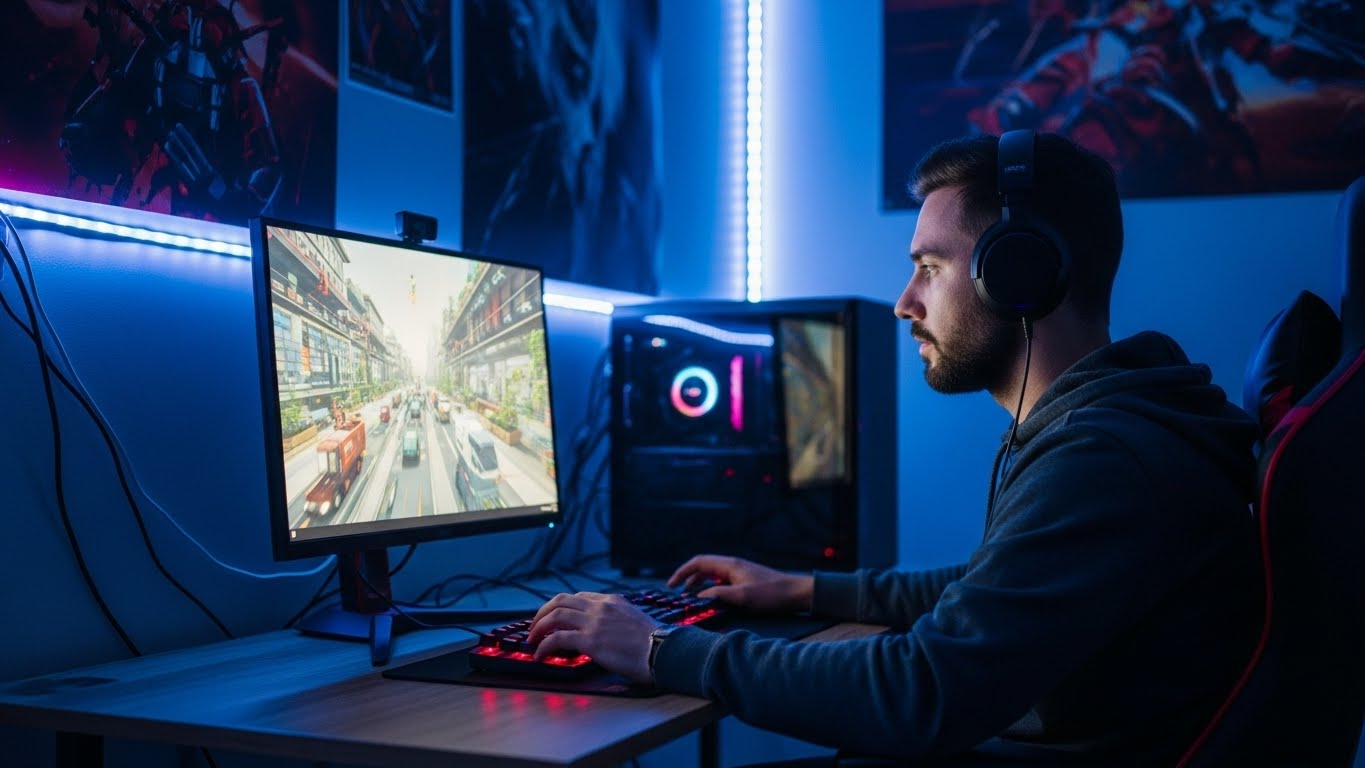
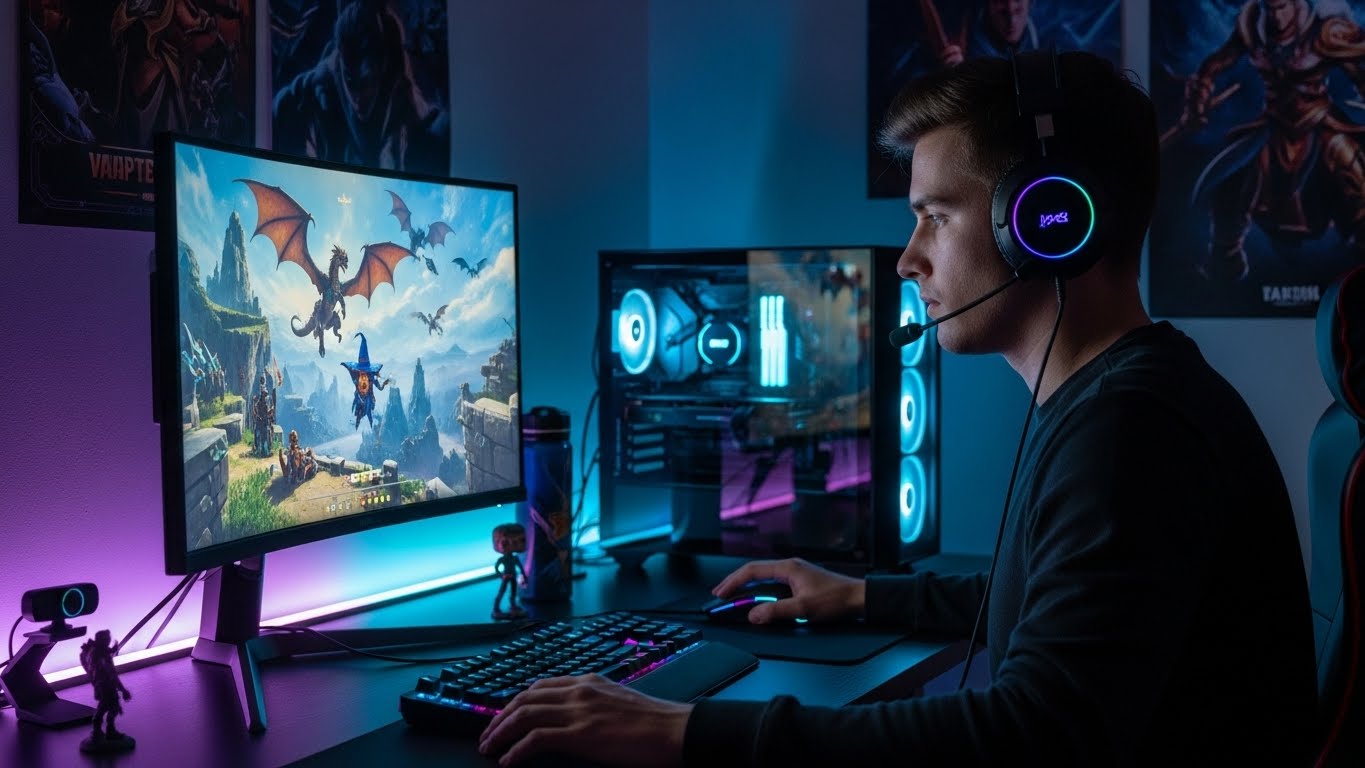
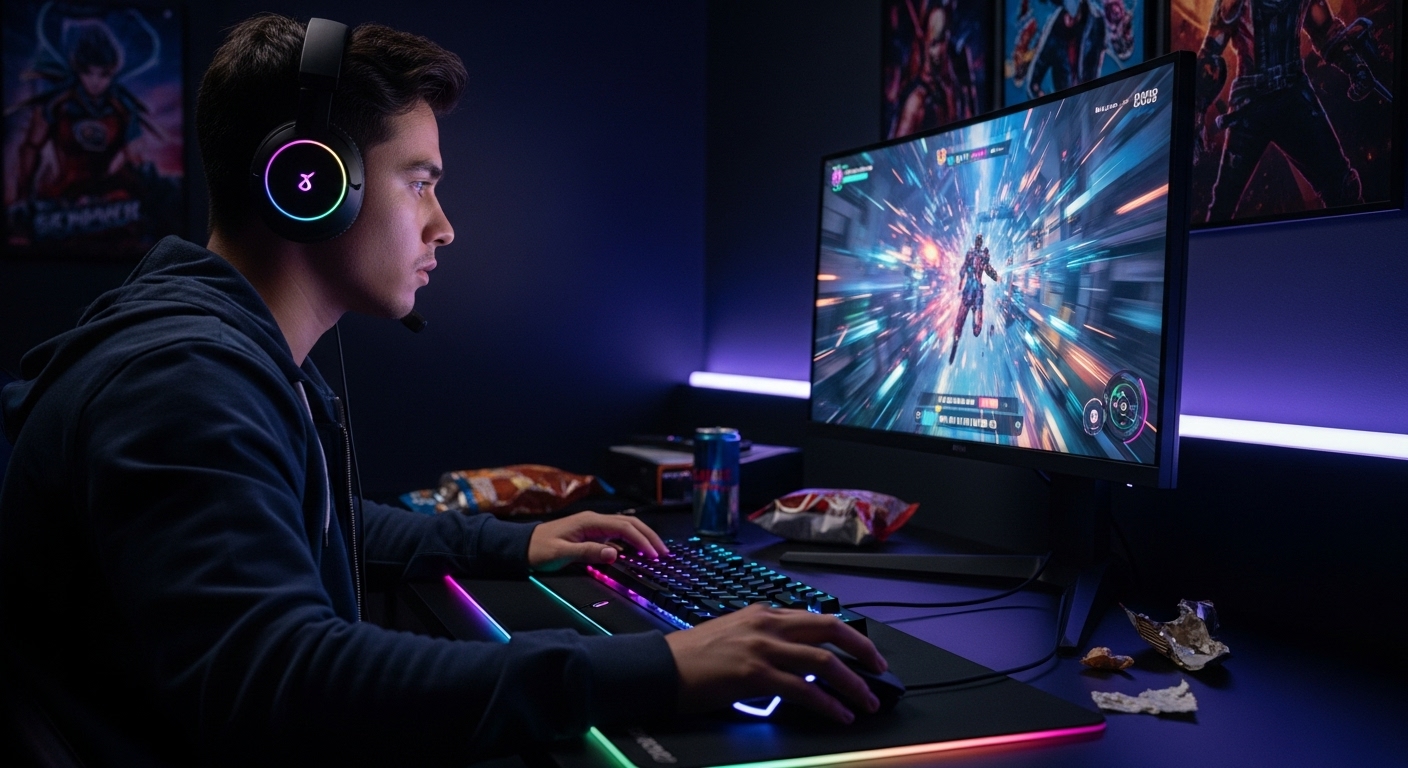
Gamers are passionate about their hardware. From powerful processors to high-refresh-rate monitors, modern gaming setups have become more advanced than ever. Graphics cards deliver stunning visual effects, headphones enhance immersion with surround sound, and mechanical keyboards provide responsive controls. Console players also enjoy smoother gameplay thanks to improved performance and optimized systems. The pursuit of a better gaming experience drives continuous innovation in hardware, pushing the industry forward.
Mobile Gaming and Its Unstoppable Expansion
Mobile gaming has become one of the largest segments of the gaming world. With smartphones becoming more powerful, mobile titles now offer graphics and gameplay once thought impossible on handheld devices. This accessibility allows millions of new players to join the gaming community without expensive equipment. Mobile gaming continues to grow as developers create experiences tailored for quick sessions, social play, and long-term progression.
Challenges Faced by the Gaming Community
Despite its success, the gaming world faces challenges. Toxic behavior in online communities can discourage new players. Poorly optimized games may lead to frustrating performance issues. Monetization practices such as loot boxes or pay-to-win mechanics sometimes create negative experiences. These challenges highlight the need for responsible development, positive community behavior, and fair business models. Many developers and platforms are already working to create safer, friendlier gaming environments.
The Importance of Balance and Healthy Gaming Habits
While gaming is enjoyable and beneficial, balance is essential. Spending excessive time on games may affect daily routines, responsibilities, or physical health. Setting healthy limits ensures that gaming remains a positive activity. Many players use gaming as a reward after completing tasks or as a way to unwind rather than escape responsibilities. With healthy habits, gaming becomes a fulfilling part of life rather than a distraction.
The Future of Gaming as a Lifestyle
Gaming is evolving into a lifestyle. People express their love for games through art, clothing, collectibles, and even home décor. Streaming platforms allow gamers to share their journey with viewers worldwide. Creators build communities around their content, turning gaming into a social identity. The industry continues to blend entertainment, creativity, technology, and community, shaping the culture of future generations.
Conclusion: A World Without Limits
Gaming has grown far beyond its origins. It is a digital battleground of skill, imagination, and innovation. It inspires creativity, brings people together, and offers countless worlds to explore. Whether someone is a casual player or a competitive expert, gaming provides meaningful experiences that stay with them long after the screen is turned off. As technology advances and communities expand, gaming will continue to evolve, shaping the future of entertainment and human connection for years to come.