
Introduction
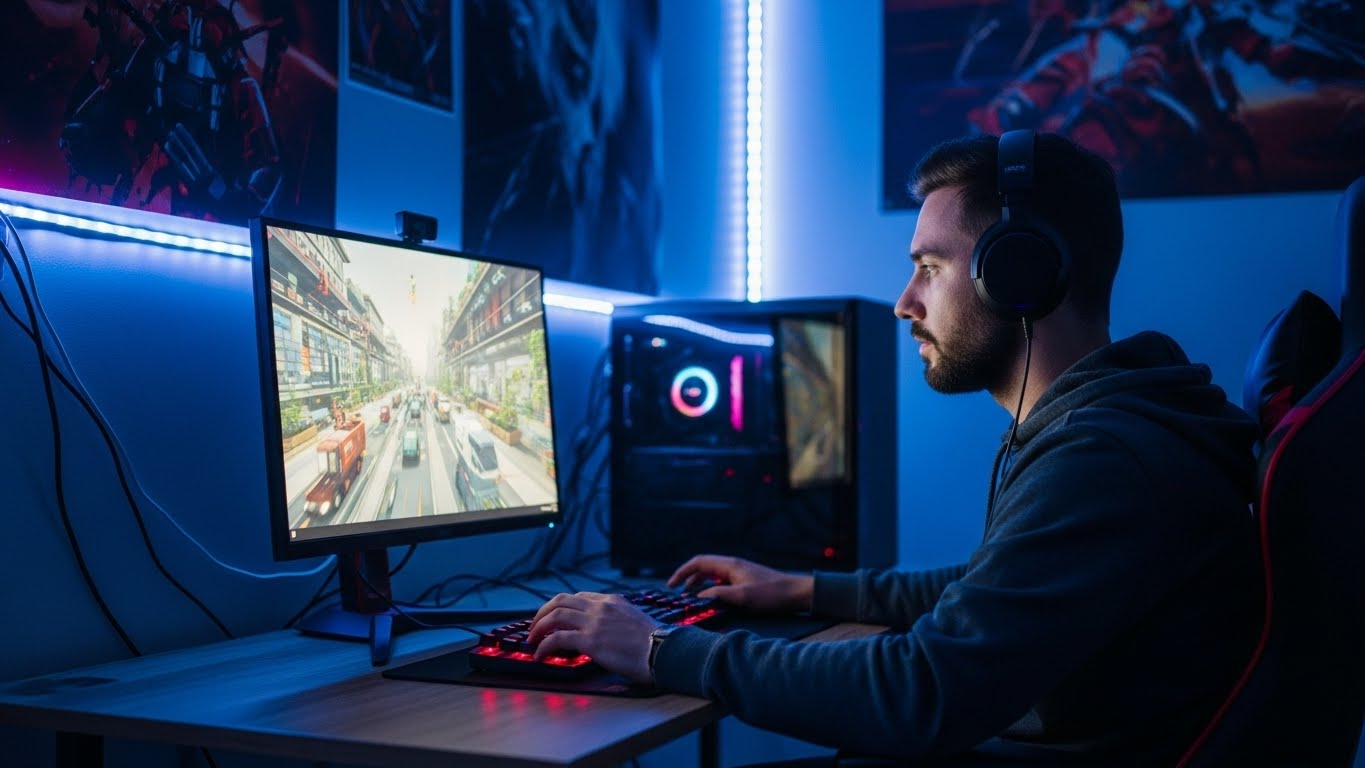
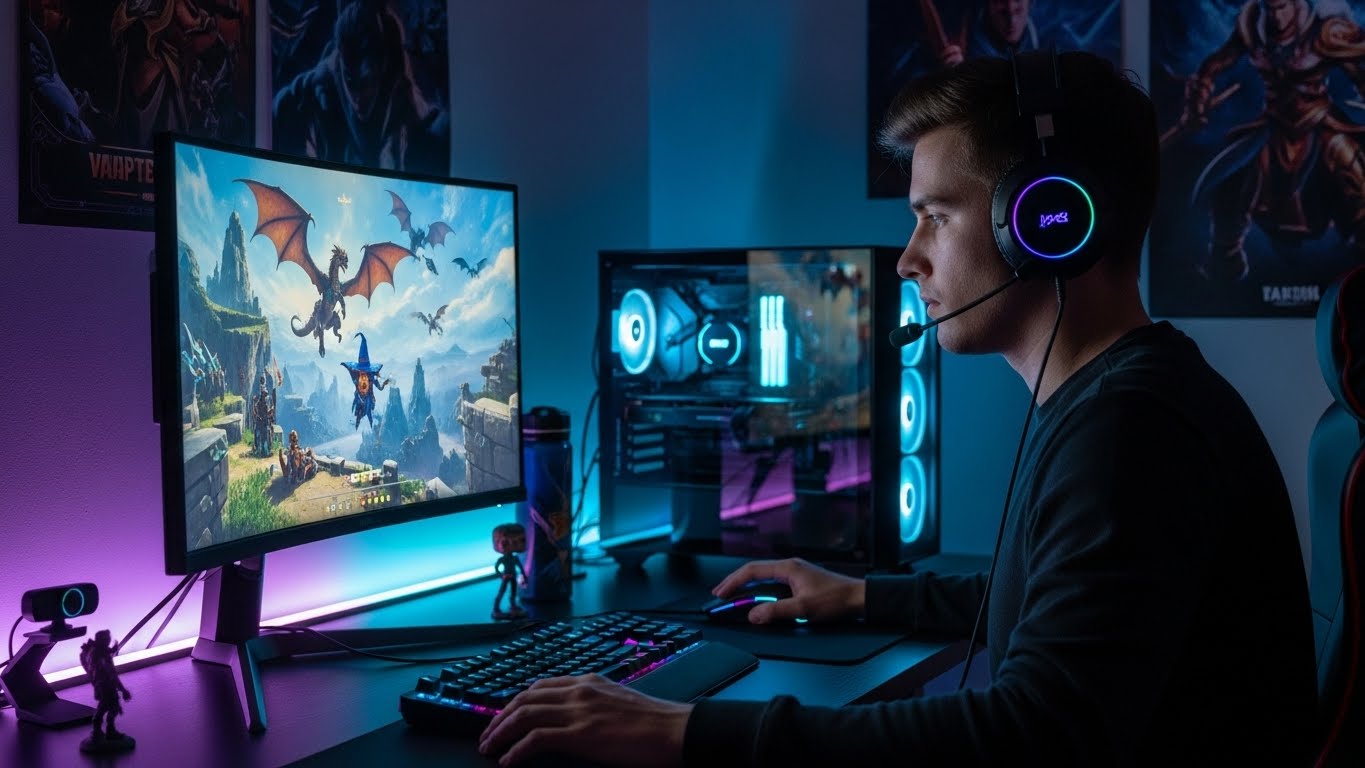
Gaming is no longer just a hobby for leisure; it has grown into a dynamic part of modern culture. From immersive story-driven adventures to competitive esports, games have become a medium for creativity, learning, and connection. Today, gaming impacts more than just entertainment—it influences cognition, social skills, and even personal growth.
Cognitive Growth Through Gameplay
Many people underestimate the mental benefits of gaming. Strategy games require critical thinking and long-term planning, while action-packed games enhance reflexes and hand-eye coordination. Puzzle and role-playing games stimulate problem-solving and decision-making skills. By engaging players in complex challenges, gaming exercises the mind and encourages adaptable thinking.
Social Interaction in Virtual Worlds
The social aspect of gaming has transformed the way people connect. Online multiplayer games allow players to collaborate and communicate with friends and strangers alike. These interactions teach teamwork, leadership, and communication skills. Many gamers form lasting friendships and communities, showing that virtual worlds can foster genuine social bonds.
Immersive Storytelling and Emotional Depth
Modern games often feature rich narratives that rival books and movies. Players experience emotions and challenges through the eyes of their characters, exploring moral dilemmas and human experiences. This level of emotional engagement builds empathy and critical thinking, turning gaming into a platform for personal reflection and emotional growth.
Competitive Gaming and Professional Opportunities
Esports has revolutionized gaming by transforming it into a professional pursuit. Players train intensely to compete at high levels, while tournaments draw massive audiences worldwide. Competitive gaming demonstrates the discipline, strategy, and skill required to succeed, challenging the outdated perception that gaming is merely recreational.
Health and Balance in Gaming
While gaming has numerous benefits, moderation is key. Long hours without breaks can lead to physical and mental strain. Incorporating healthy habits like regular movement, screen breaks, and balanced routines ensures gaming remains a positive experience. Some modern games even integrate physical activity and mental exercises, blending wellness with entertainment.
Conclusion
Gaming is far more than a pastime—it is a tool for learning, connection, and personal development. From cognitive growth to social interaction, storytelling, and professional opportunities, games influence multiple aspects of life. Embracing gaming mindfully allows players to enjoy not only the fun but also the deeper benefits that virtual worlds can offer.