Introduction: A New Era of Interactive Worlds
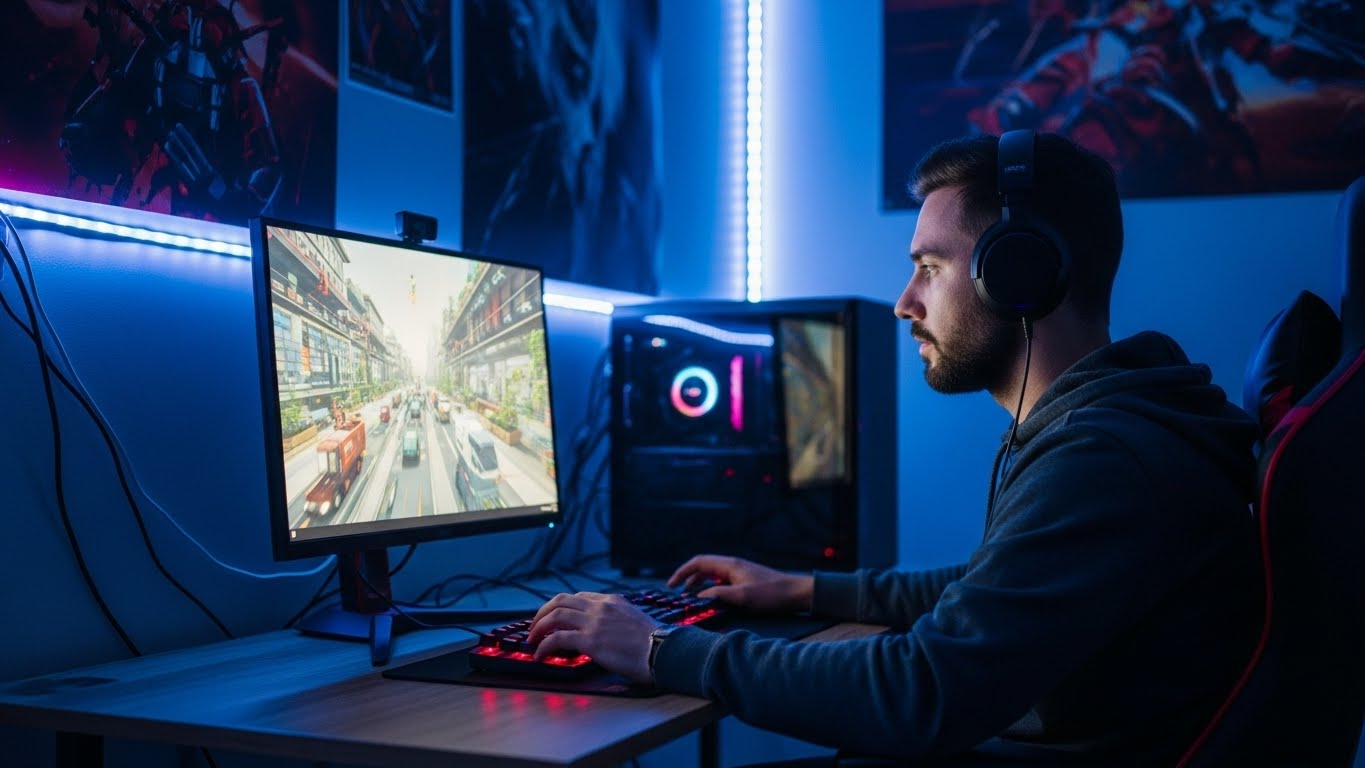
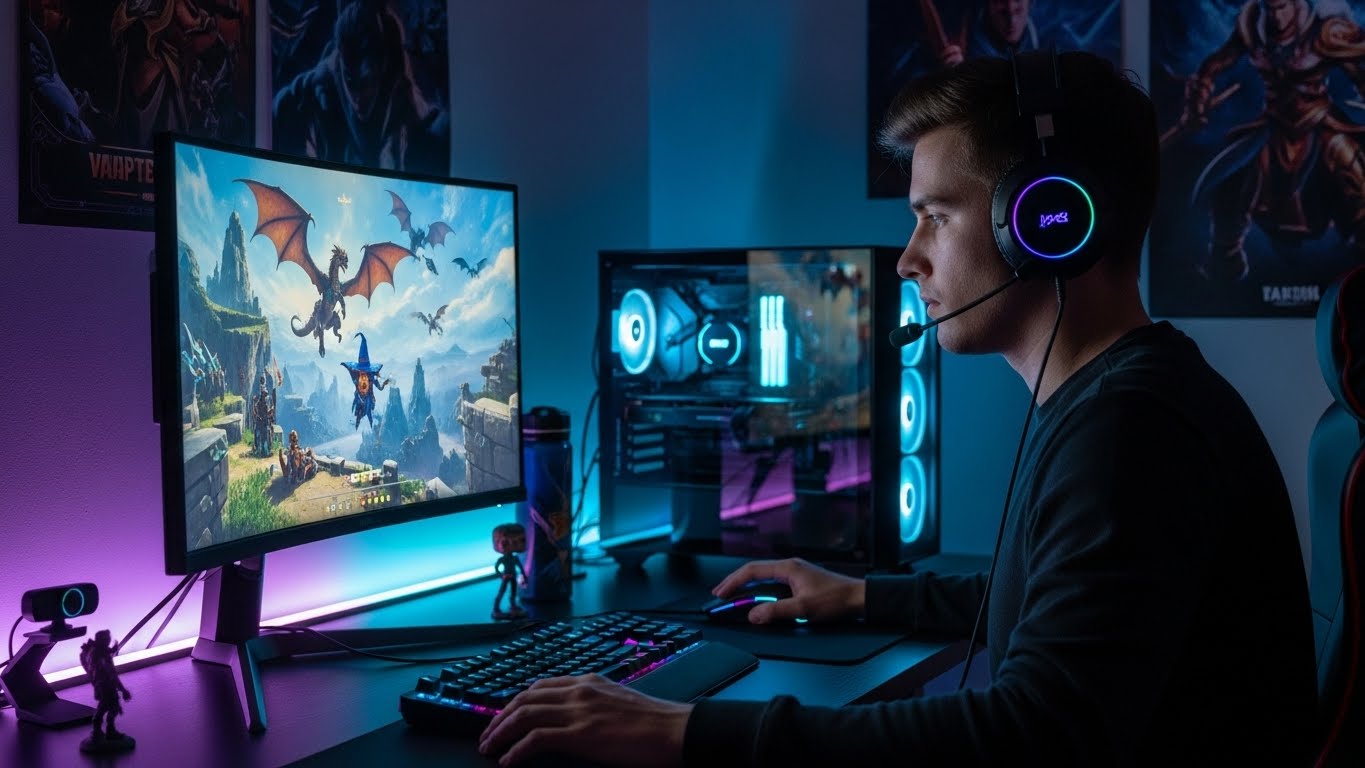
Gaming has evolved far beyond a simple hobby. It is now a global culture, a creative medium, and a technological frontier that continues to redefine human interaction. What once began as pixelated experiments has transformed into living, breathing universes that invite players to step inside, explore, and express themselves. Today, gaming is not only entertainment—it is education, communication, and inspiration. This blog explores how modern gaming influences imagination, builds skills, and connects communities across the world.
The Artistry Behind Modern Games
The heart of gaming lies in its ability to merge multiple forms of art into one cohesive experience. Every modern game is a collaboration between writers, musicians, programmers, illustrators, and designers. Worlds are crafted with such detail and creativity that they rival blockbuster films and bestselling novels. Characters are given depth, motivations, and emotional arcs that allow players to form genuine attachments.
Games serve as interactive canvases where sound, visuals, and narrative merge. Vivid landscapes, atmospheric soundtracks, and cinematic cutscenes enhance the emotional connection players feel. This artistry not only fuels entertainment but also inspires aspiring creators, encouraging countless players to explore careers in design, animation, and storytelling.
The Imaginative Freedom of Virtual Worlds
One of the greatest strengths of gaming is its ability to unleash imagination. Whether players build entire civilizations, travel across galaxies, or command mythical creatures, games free the mind from physical limitations. The imaginative space they provide encourages problem-solving, creativity, and exploration.
Sandbox and open-world games, in particular, have redefined how players engage with virtual environments. Instead of following rigid paths, players carve their own stories, create structures, or influence entire ecosystems. This freedom fuels innovation and encourages individuals to think more expansively in their real lives.
Gaming and Skill Development
Contrary to outdated stereotypes, gaming builds a wide range of cognitive and practical skills. Strategic thinking, hand–eye coordination, resource management, and decision-making are integral to many genres. Puzzle games sharpen logic and pattern recognition. Strategy titles demand planning and foresight. Action games improve reflexes and spatial awareness.
Beyond mental agility, gaming champions perseverance. Many players learn to overcome failure through repeated attempts, adjusting strategies and developing resilience. These experiences reinforce valuable life lessons about patience, effort, and adaptability.
Collaboration-focused games add another dimension of skill-building. Team-based titles encourage communication, leadership, and cooperation. Players quickly learn that success depends not only on individual talent but also on clear communication and collective effort.
The Rise of Esports and Professional Gaming
Competitive gaming has grown into a global phenomenon. Esports events now fill arenas, attract millions of online viewers, and offer career paths for dedicated players. What once seemed like a niche interest has become a structured industry with coaches, analysts, sponsorships, and professional leagues.
Esports is more than competition; it is a celebration of skill, discipline, and strategy. Professional players train intensely, similar to traditional athletes. They study opponents, refine techniques, and maintain rigorous practice schedules. The rise of esports has also expanded career opportunities in broadcasting, event production, content creation, and sports psychology, proving that gaming can be both a passion and a profession.
Gaming as a Social Catalyst
One of the most transformative aspects of modern gaming is its ability to bring people together. Online multiplayer games allow individuals from different backgrounds, countries, and cultures to connect effortlessly. Friendships form, communities flourish, and shared experiences create lasting bonds.
Social games and cooperative adventures encourage teamwork, communication, and shared problem-solving. Players often develop unique relationships that blend digital and real-life support systems. For many, gaming communities provide a sense of belonging and companionship that transcends physical distance.
The Mental Wellness Benefits of Gaming
While gaming should always be enjoyed in moderation, its positive impact on mental well-being is undeniable. For many, games offer stress relief, emotional escape, and a safe space for self-expression. Story-driven games provide comfort through relatable narratives, while relaxing titles offer peaceful moments away from daily pressures.
Gaming can also boost confidence. Achieving difficult goals, mastering complex mechanics, or contributing to a team’s victory gives players a sense of accomplishment. For individuals dealing with anxiety or loneliness, online interactions can offer meaningful support and social engagement.
Educational Gaming: Learning Through Play
Educational games have exploded in popularity as both parents and teachers recognize the learning potential hidden within interactive play. These games transform complex subjects into engaging experiences. History, science, mathematics, and language skills become more accessible through puzzles, simulations, and storytelling.
Students who struggle in traditional classroom settings often thrive when learning through games. Interactive lessons encourage curiosity and help learners retain information more effectively. Additionally, gamified education teaches children the joy of learning, making education feel exciting rather than obligatory.
The Future of Gaming: Technology, Immersion, and Boundless Potential
The gaming industry continues to evolve at lightning speed. Virtual reality and augmented reality are creating new ways to experience digital worlds. Instead of simply controlling a character on a screen, players can now physically explore immersive environments. Haptic feedback, motion sensors, and advanced physics engines make each experience more tangible.
Artificial intelligence is also reshaping gaming. Smarter in-game characters adapt to player behavior, creating dynamic storytelling and personalized challenges. Procedurally generated worlds offer endless landscapes to explore, ensuring no two playthroughs are the same.
Cloud gaming promises to make high-quality gaming more accessible by eliminating the need for expensive hardware. Players can enjoy cutting-edge titles on lightweight devices, opening the doors for global audiences.
Conclusion: The Ever-Evolving Symphony of Play
Gaming is far more than a pastime—it is a dynamic cultural force, an artistic medium, and a gateway to community and personal growth. It fosters creativity, builds resilience, and connects people across the globe. As technology advances, gaming will continue to evolve, offering richer stories, deeper experiences, and more meaningful interactions.
The world of play is vast, imaginative, and ever-changing. Whether you are a casual adventurer, a competitive strategist, or a storyteller seeking new horizons, gaming welcomes you into its symphony of possibilities.