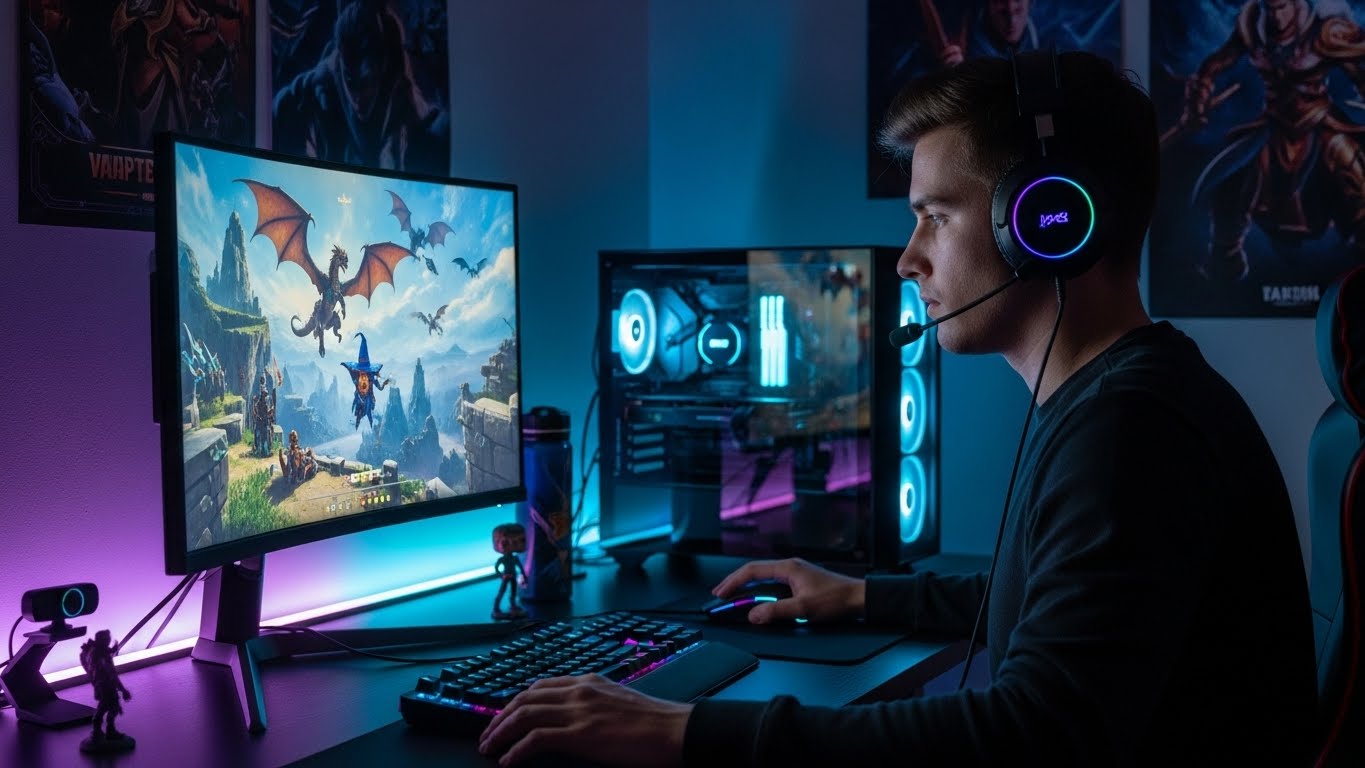
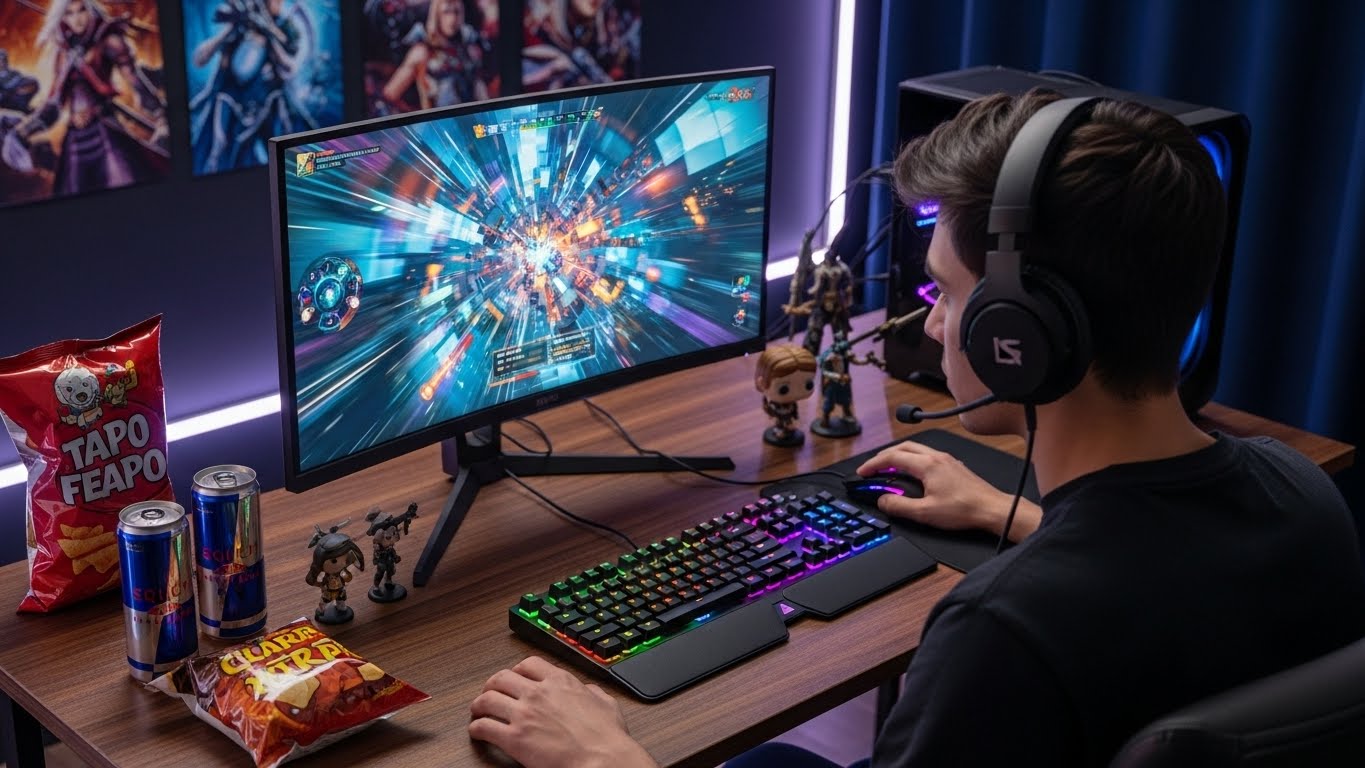
Gaming has long transcended its reputation as mere entertainment. It is a dynamic cultural phenomenon, a creative outlet, and a driver of technological innovation. From the early days of arcade cabinets to today’s immersive virtual worlds, gaming has reshaped the way people interact, imagine, and connect. This blog explores the evolution of gaming, its societal impact, cognitive benefits, and why it continues to hold an essential place in modern life.
The Origins of Gaming: From Arcades to Home Consoles
The history of gaming dates back several decades when simple yet captivating games like Pong and Space Invaders took the world by storm. These early games relied on pixelated graphics and minimal sound but offered players an interactive and engaging experience that had never been seen before.
Arcade gaming quickly became a social phenomenon. People flocked to arcades not just to play, but to compete, share experiences, and form communities. The move to home consoles marked a significant shift, allowing families to enjoy gaming together in living rooms. Consoles such as the Nintendo Entertainment System and Sega Genesis brought more complex graphics, narratives, and gameplay mechanics, laying the foundation for the modern gaming era.
The Technological Evolution of Gaming
Gaming technology has evolved dramatically over the years. From simple two-dimensional graphics to fully immersive three-dimensional environments, the transformation has been extraordinary. Today’s games feature photorealistic visuals, realistic physics, and highly detailed worlds that draw players into unique and dynamic experiences.
Artificial intelligence has revolutionized gameplay. Non-player characters now adapt to player actions, creating unpredictable challenges and more engaging narratives. Online multiplayer games have connected millions of players worldwide, turning gaming into a social platform as well as a pastime.
Virtual reality and augmented reality represent the next frontier in gaming technology. Players can now immerse themselves entirely in digital worlds, interact with virtual environments, and experience narratives in unprecedented ways. The combination of hardware innovation and creative software continues to redefine the gaming experience.
The Social Impact of Gaming
Gaming has become one of the most effective tools for social connection in the modern world. Multiplayer games allow individuals to collaborate, compete, and communicate with players across the globe. Online communities provide a sense of belonging and offer spaces for discussion, strategy sharing, and friendship building.
Gaming also fosters teamwork and leadership skills. Many multiplayer games require precise coordination, strategy planning, and effective communication to achieve goals. Players learn to manage challenges as part of a team, making gaming a platform for developing social and cooperative skills.
Communities formed around games often extend beyond the game itself. Fans engage in fan art, streaming, discussions, and tournaments. These communities are not just social spaces—they shape gaming culture, influence game development, and enhance the overall player experience.
The Cognitive Benefits of Gaming
Contrary to popular belief, gaming is far from a mindless activity. Many games enhance problem-solving, critical thinking, and strategic planning. Strategy-based games require players to evaluate situations, allocate resources efficiently, and anticipate opponents’ moves, sharpening analytical skills.
Action games improve hand-eye coordination, reaction times, and attention to detail. Role-playing games develop memory, decision-making, and narrative comprehension. Even puzzle games challenge the brain, encouraging logic, patience, and persistence.
Beyond cognitive skills, gaming nurtures creativity. Open-world and sandbox games allow players to design environments, craft stories, and experiment with new ideas. This creative freedom fosters imagination and encourages innovative thinking that can extend into real-life problem solving and artistic expression.
The Emotional Power of Gaming
One of gaming’s most unique features is its ability to evoke deep emotional engagement. Unlike movies or books, where audiences are passive observers, games place players at the center of the narrative. Players make decisions that affect outcomes, forming a personal connection to the story and characters.
Games explore complex themes such as morality, identity, loss, and perseverance. Players experience empathy, joy, frustration, and triumph as they navigate these virtual worlds. These emotional experiences can teach valuable lessons, offer new perspectives, and even help players process real-world emotions.
Gaming also provides a healthy form of escapism. It allows individuals to explore alternative realities, develop new identities, and challenge themselves in safe, controlled environments. The immersive nature of games provides relaxation, enjoyment, and a sense of achievement.
Gaming as a Career and Industry
Gaming has grown into a multi-billion-dollar industry, offering more than just recreational opportunities. The rise of esports has transformed competitive gaming into a recognized profession. Professional players dedicate countless hours to training, developing strategies, and competing in tournaments with significant prizes and global audiences.
Beyond playing, the industry offers careers in development, design, storytelling, animation, sound design, marketing, and community management. Game developers combine technology and artistry to create experiences that captivate millions. Streaming platforms allow players to share their gameplay, build followings, and monetize their skills, making gaming a viable career path for many.
The industry’s growth continues to influence global culture, inspiring new forms of entertainment, media, and even education. Gaming is no longer a simple hobby—it is a legitimate, multifaceted profession that engages millions worldwide.
Gaming and Mental Wellbeing
While excessive gaming can be harmful, responsible gaming provides numerous mental health benefits. Games reduce stress, provide a sense of accomplishment, and can improve mood. Achieving in-game goals and completing challenges contributes to confidence and motivation.
Multiplayer gaming offers social interaction, which can reduce feelings of isolation. The collaborative nature of team-based games fosters connection and friendship, offering emotional support for those who may feel disconnected offline.
Therapeutic games are also emerging as tools to support mental wellbeing. Designed to improve cognitive skills, focus, and emotional resilience, these games show the potential of gaming as a positive force for mental health when balanced with other life activities.
The Creative Potential of Gaming
Gaming is not only a medium of play but also a canvas for creativity. Many games allow players to design levels, modify characters, and create unique stories within the game world. This interactive element transforms gaming into a form of digital art and self-expression.
Game development itself is a multidisciplinary creative process, combining coding, design, storytelling, music, and psychology. Developers experiment with new mechanics, immersive worlds, and compelling narratives, pushing the boundaries of entertainment and creativity.
Players contribute to this creativity as well. Modifications, custom levels, fan art, and storylines created by users extend a game’s life and inspire new experiences. The interaction between developers and communities fosters innovation, collaboration, and a thriving creative culture.
The Future of Gaming
The future of gaming promises even more groundbreaking experiences. Virtual reality and augmented reality will make games increasingly immersive, while artificial intelligence will create dynamic, adaptive worlds that respond to player choices.
Cloud gaming will make high-quality experiences accessible to more people without requiring expensive hardware. Educational and professional applications of gaming are also expanding, with interactive simulations and gamified learning tools transforming how knowledge is acquired and skills are developed.
As gaming continues to evolve, it will shape culture, technology, and human interaction in new ways. It is no longer just entertainment—it is a lens through which innovation, creativity, and social connection converge.
Conclusion: Gaming as a Cultural Revolution
Gaming is far more than a pastime. It is a transformative medium that enhances cognitive skills, fosters creativity, encourages social interaction, and provides emotional experiences unlike any other form of entertainment. Communities built around games connect people globally, while professional opportunities demonstrate the industry’s economic and cultural significance.
As technology advances, gaming will continue to evolve, offering richer experiences, deeper storytelling, and innovative ways to connect and create. From casual players to competitive esports professionals, gaming shapes modern life and imagination in profound ways.
Ultimately, gaming is not just a game. It is a cultural revolution, a creative outlet, and a testament to human ingenuity, providing experiences that entertain, inspire, and unite people around the world.