Introduction: Gaming as a Cultural Phenomenon
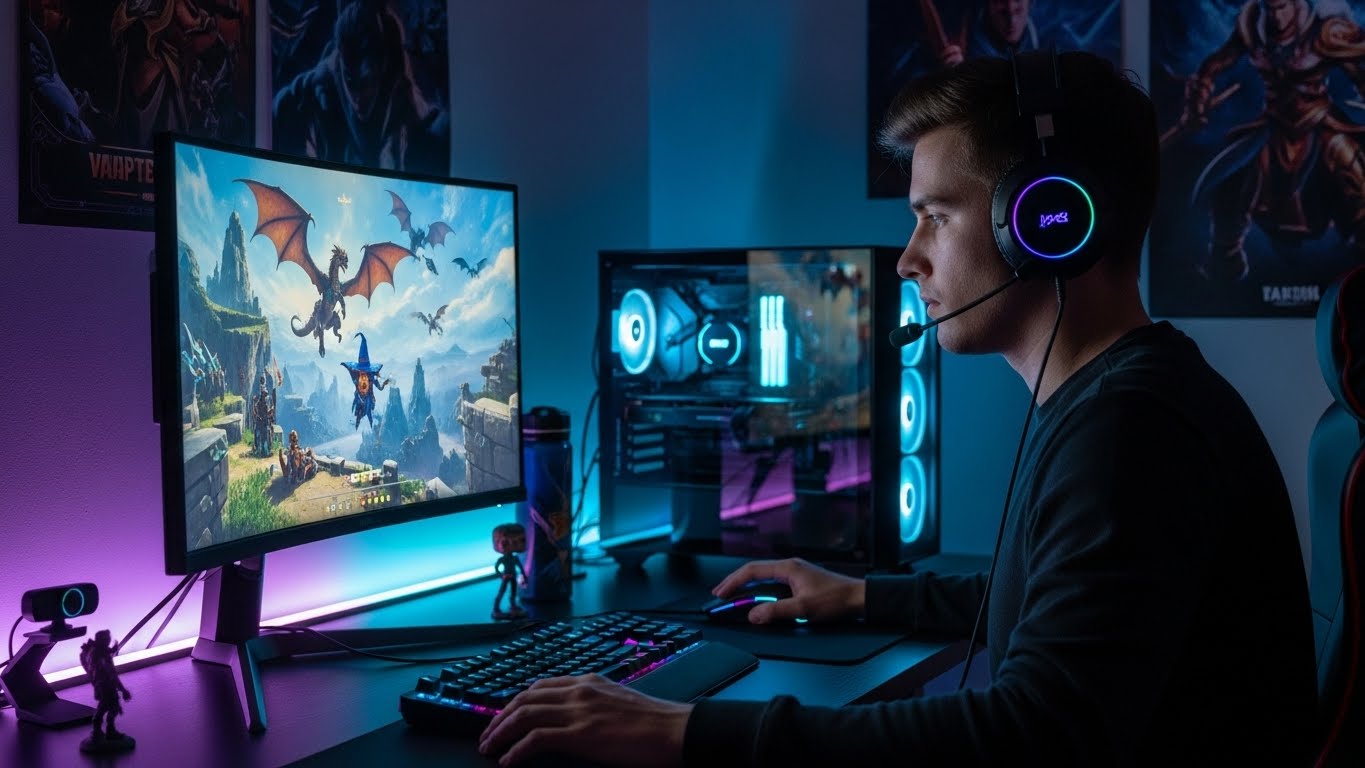
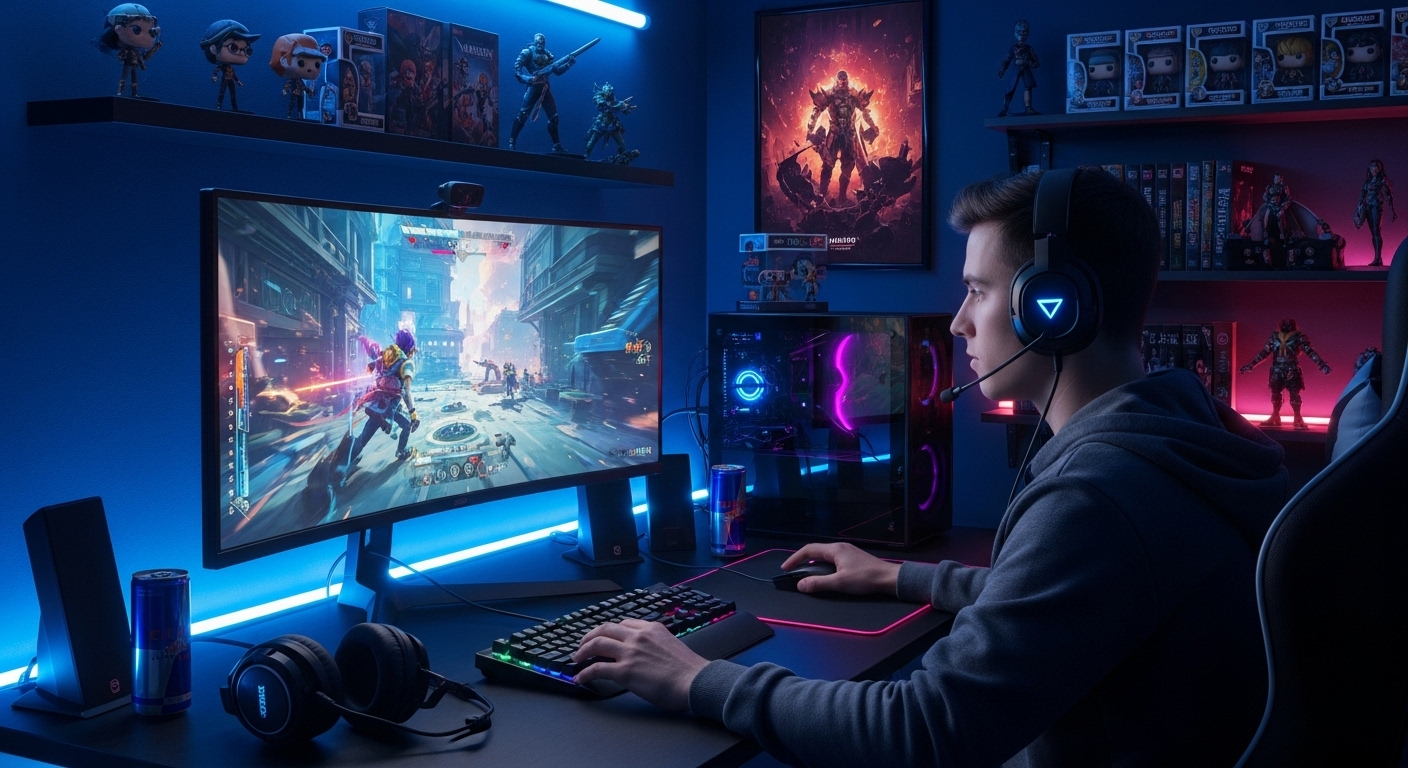
Gaming has transformed from a simple pastime into a global cultural force. From the early days of board games and arcade machines to today’s immersive digital worlds, gaming has become a central part of modern life. It is more than entertainment; it is a medium that challenges the mind, fosters creativity, builds communities, and even impacts education and professional careers. The rise of gaming culture reflects society’s embrace of technology, strategy, and interactive experiences that engage players across all age groups.
The History of Gaming
Games have been an integral part of human civilization for thousands of years. Ancient societies played board and dice games like Senet in Egypt and Go in China, emphasizing strategy, logic, and competition. Medieval Europe brought chess and physical games that encouraged strategic thinking and athletic skill. The 20th century introduced video games, starting with simple arcade titles like Pong and Pac-Man, which gradually evolved into complex digital experiences. Today, gaming spans multiple platforms, from consoles and PCs to mobile devices, demonstrating how gaming has adapted and grown alongside human innovation.
The Cognitive Benefits of Gaming
Gaming is not just entertainment; it is also an effective tool for cognitive development. Strategic games such as chess, Go, and real-time strategy video games enhance critical thinking, decision-making, and planning. Puzzle games improve problem-solving skills, attention to detail, and logic. Action and shooter games refine hand-eye coordination, reflexes, and spatial awareness. Role-playing games encourage memory retention, multitasking, and adaptive thinking. Studies have shown that gaming can improve brain plasticity and cognitive flexibility, proving that gaming provides meaningful mental exercise.
Emotional and Psychological Impact
Games have profound emotional and psychological benefits. They offer a safe environment to experience challenges, practice resilience, and manage failure. Completing objectives, solving puzzles, or advancing levels provides a sense of accomplishment and boosts self-confidence. Multiplayer and cooperative games foster social interaction, reducing feelings of loneliness and isolation. Gaming also serves as a stress-relief mechanism, providing immersive experiences that distract from daily pressures. By encouraging creativity, exploration, and personal achievement, gaming promotes mental well-being and emotional balance.
Social Interaction Through Gaming
Modern gaming is highly social. Online multiplayer platforms, cooperative challenges, and competitive tournaments allow players to communicate, collaborate, and form long-lasting friendships. Gaming communities create spaces for interaction, mentorship, and social bonding. In addition, conventions, tournaments, and streaming events allow fans and players to meet, share experiences, and celebrate their passion for gaming. Social interaction in gaming teaches communication, teamwork, and leadership skills, while connecting people across cultural and geographic boundaries.
Gaming and Education
Games are increasingly recognized as valuable educational tools. Educational games, simulations, and gamified learning platforms engage students while teaching academic subjects such as mathematics, science, language, and history. Games encourage active learning, experimentation, and problem-solving, making lessons more interactive and memorable. Role-playing and strategy games develop critical thinking, decision-making, and collaborative skills. Schools and universities are integrating gaming into curricula to foster technological literacy, creativity, and analytical skills, demonstrating that gaming extends beyond leisure to tangible learning outcomes.
Economic Impact of Gaming
Gaming has become a significant economic force worldwide. Revenue streams include game sales, in-game purchases, subscriptions, merchandise, and professional competitions. The industry provides jobs for developers, designers, content creators, professional players, coaches, marketers, and event organizers. Large-scale tournaments attract tourism, media attention, and investment, further stimulating local economies. Streaming platforms allow direct fan engagement and monetization, creating sustainable careers. The economic footprint of gaming continues to expand, making it one of the most influential sectors in entertainment and technology.
Cultural Influence of Gaming
Gaming shapes culture in profound ways. It reflects societal values, narratives, and creativity. Popular franchises inspire art, music, fashion, and storytelling across various media. Gaming communities create their own cultural norms, traditions, and language, often influencing mainstream culture. From cosplay and fan art to online streaming and content creation, gaming fosters a participatory culture that emphasizes creativity, collaboration, and self-expression. The cultural reach of gaming extends globally, influencing youth culture, social trends, and creative industries.
Technology and Gaming Innovation
Technology has been a driving force behind the evolution of gaming. High-performance computers, consoles, and mobile devices enable increasingly complex and immersive experiences. Virtual reality, augmented reality, and artificial intelligence are transforming gameplay, providing interactive, lifelike environments. Online platforms and cloud gaming allow instant access to multiplayer games and communities worldwide. Analytics and performance tracking tools help players refine their skills and strategies. Technological innovation ensures that gaming remains dynamic, engaging, and accessible to players of all levels.
Gaming and Creativity
Games encourage creativity in multiple ways. Sandbox and open-world games allow players to design worlds, create characters, and explore narratives. Strategy and simulation games require imaginative problem-solving and inventive thinking. Even competitive games challenge players to develop new strategies, adapt to changing circumstances, and think outside the box. Gaming fosters a mindset of experimentation, innovation, and exploration, skills that extend beyond virtual environments into real-world applications.
Women and Diversity in Gaming
While gaming has historically been male-dominated, the presence of women and diverse communities is growing rapidly. Female gamers are gaining recognition as professionals, content creators, and developers. Inclusive game design is becoming a priority, ensuring representation and diversity in characters, storylines, and gameplay. Diverse participation strengthens gaming communities, enriches narratives, and fosters innovation. By embracing diversity, the gaming industry becomes more equitable and reflective of a global audience, expanding its reach and cultural relevance.
Mental Health and Responsible Gaming
While gaming offers numerous benefits, it is important to approach it responsibly. Excessive gaming can lead to fatigue, social isolation, and stress. Maintaining a balance between gaming and other activities such as exercise, study, and social engagement is essential. Setting limits, taking breaks, and prioritizing mental and physical health ensures that gaming remains a positive and enriching activity. When managed effectively, gaming promotes cognitive development, emotional resilience, and social interaction without negative consequences.
The Rise of Competitive Gaming and Esports
Competitive gaming, or esports, has turned gaming into a global sport. Professional tournaments attract millions of viewers and offer substantial prize pools. Players train rigorously, similar to traditional athletes, and teams employ support staff to optimize performance. Esports fosters teamwork, strategic thinking, and discipline while providing entertainment for global audiences. The rise of esports demonstrates how gaming has evolved from casual recreation to a professional, culturally significant phenomenon that bridges digital and real-world communities.
Global Connectivity Through Gaming
Gaming transcends geographic and cultural boundaries, connecting people worldwide. Online multiplayer platforms and tournaments create shared experiences among players from diverse backgrounds. Global events foster cultural exchange, collaboration, and mutual appreciation. Mobile gaming and streaming platforms ensure that access to games is widespread, creating inclusive and interactive global communities. Gaming proves that technology can connect individuals, offering common ground for communication, friendship, and collaboration.
The Future of Gaming
The future of gaming is expansive and exciting. Emerging technologies such as virtual reality, augmented reality, cloud gaming, and artificial intelligence will redefine gameplay, storytelling, and social interaction. Games will continue to integrate with education, culture, and professional development. Esports will grow further, creating sustainable career paths and entertainment platforms. As the gaming industry evolves, it will continue to influence creativity, technology, culture, and social interaction on a global scale, demonstrating its enduring relevance and potential.
Conclusion: Gaming as a Multifaceted Force
Gaming is far more than a hobby; it is a cultural, educational, and economic force. It enhances cognitive abilities, fosters creativity, builds social communities, and offers professional opportunities. From ancient board games to modern esports tournaments, gaming reflects human innovation, collaboration, and imagination. It connects people across the world, provides avenues for personal and professional growth, and influences culture and technology. In the modern era, gaming is not simply play—it is a dynamic and transformative force shaping the way we think, interact, and engage with the world.